The Argentine newspaper Ámbito has published an article by Ignasi Grau, Co-Chair of the project's Executive Committee and Director General of OIDEL.
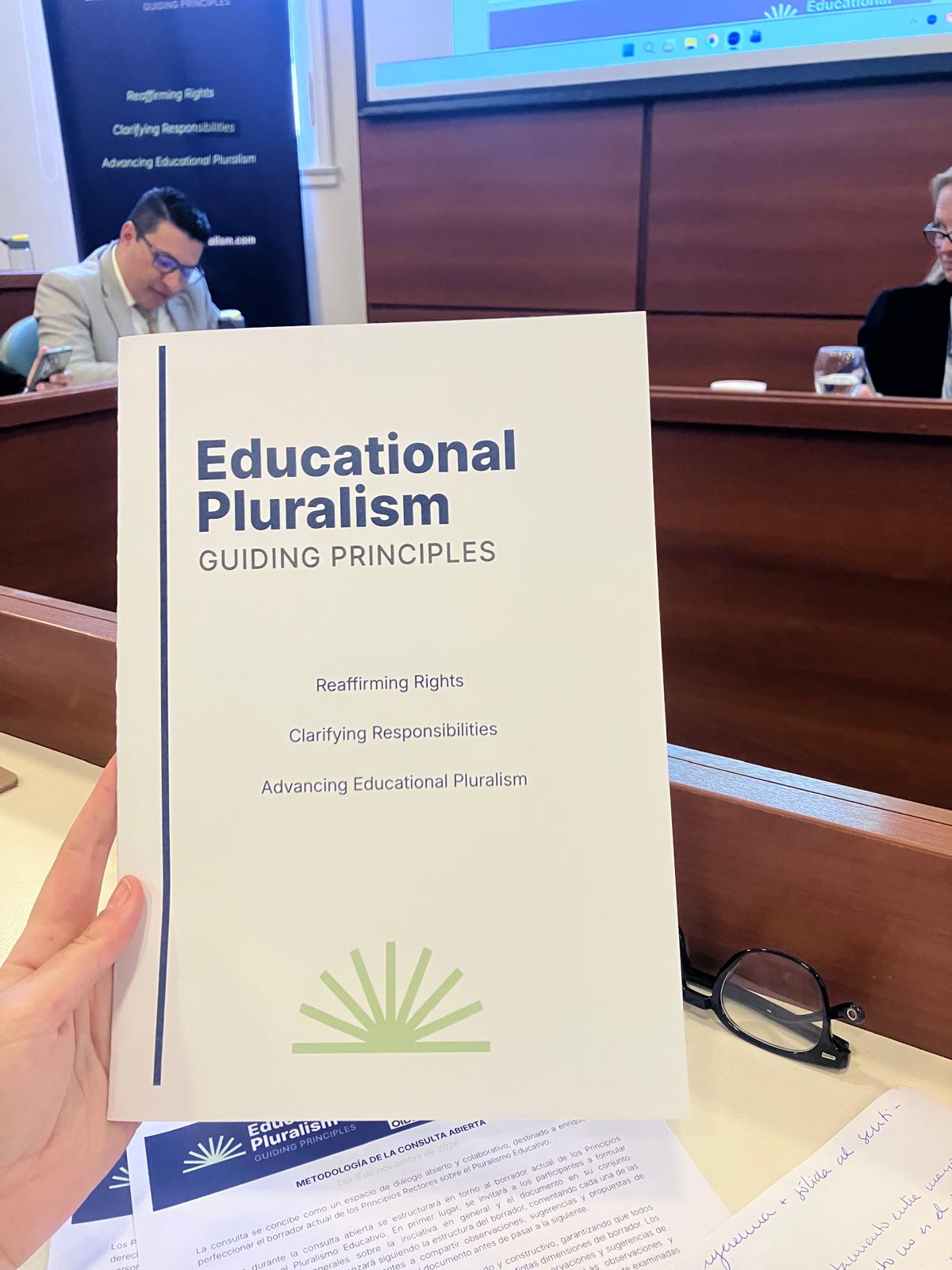
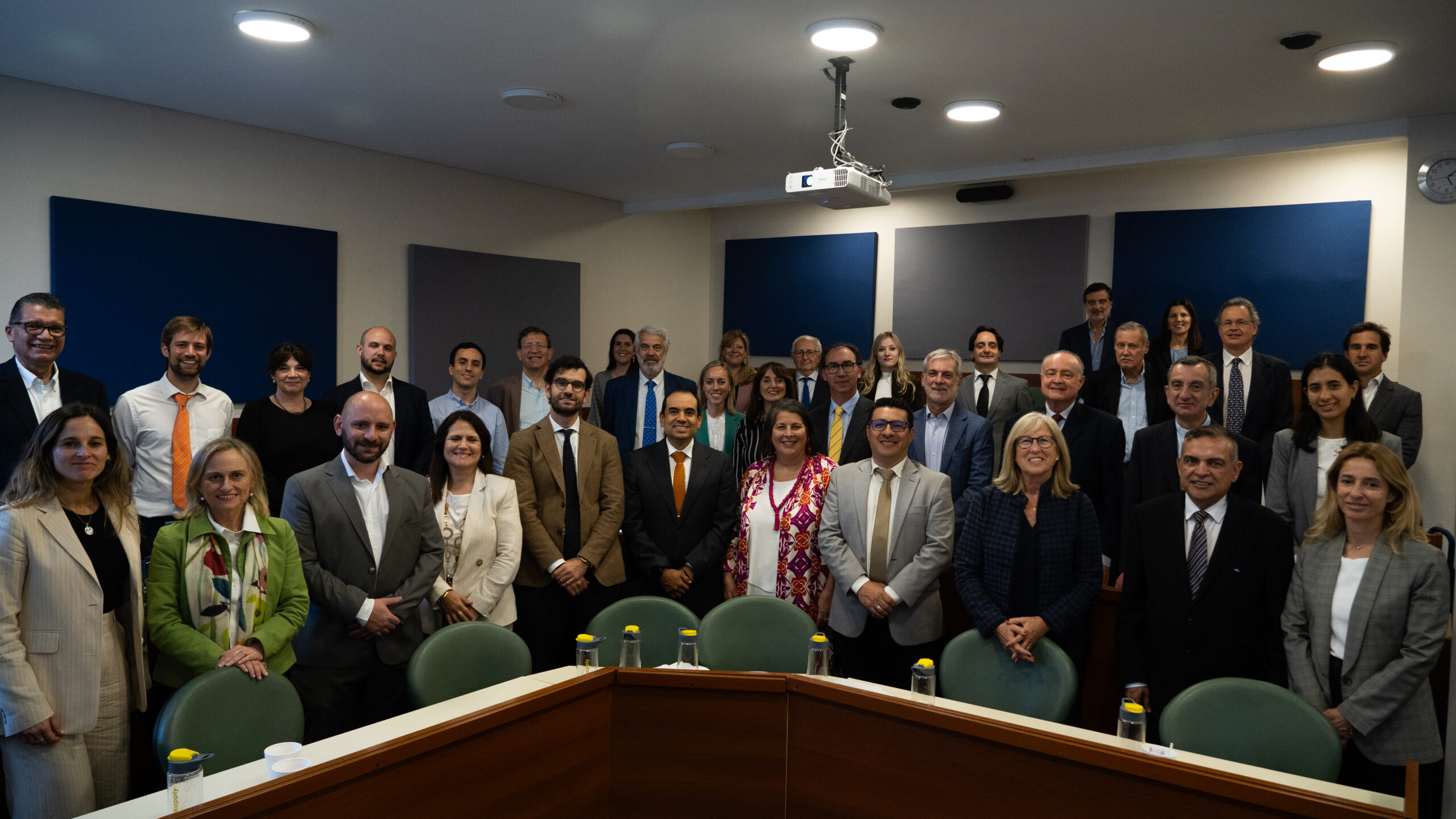
Buenos Aires hosted the first regional consultation on the development of the Guiding Principles on Educational Pluralism, bringing together experts and leading figures from four countries. Discussions focused on the role of families, educational freedom and the importance of communities in education.
To speak of Latin America is to speak of freedom and pluralism. Despite a sometimes turbulent, even tumultuous history, one of the region's common characteristics is that the words freedom and pluralism are a natural part of public debate. For those who live in and belong to the region, this may seem perfectly normal, but for visitors, this normality is a welcome discovery.
In education, these two concepts have also been central to public discussion. Parents, communities, Indigenous peoples, a mosaic of religious communities and a lively pedagogical debate mean that education in the region cannot be understood through a homogeneous or monopolistic approach.
This is not to say that attempts have not been made in that direction, but rather that such attempts have proved contrary to the very nature of the region.Against this background, we can affirm that most constitutions in the region explicitly recognize educational pluralism. From Argentina to Chile, and from Peru to Uruguay, this freedom is constitutionally protected.
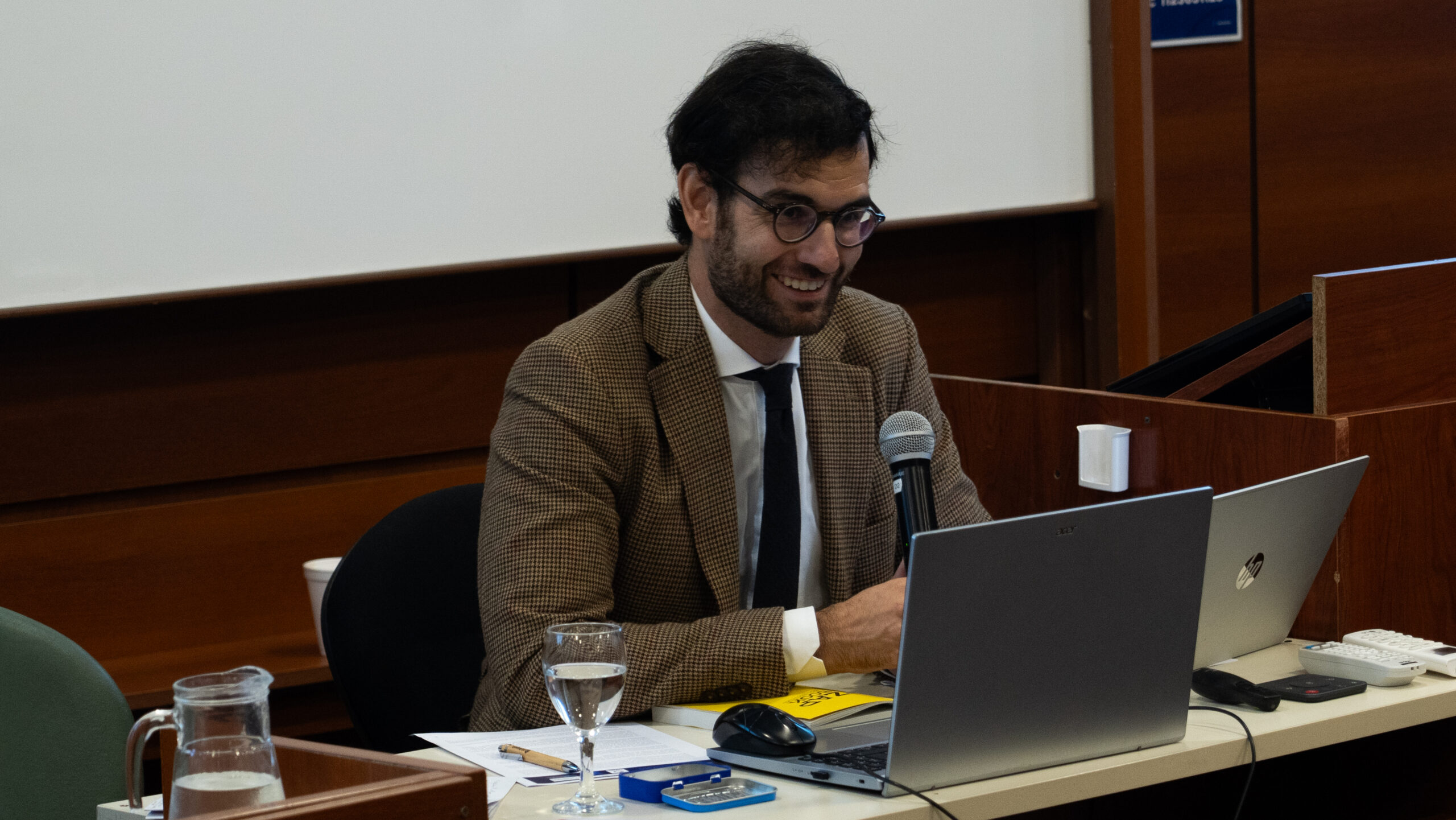
Even more remarkable is the fact that this freedom was already enshrined in several nineteenth-century constitutions, long before the major international treaties adopted after the Second World War. These broad regional agreements are reflected in the Protocol of San Salvador, which unequivocally recognizes the right of parents to choose the type of education their children receive, as well as the freedom of individuals to establish and direct schools.Last week, I had the honour of moderating the Latin American regional consultation of the Guiding Principles on Educational Pluralism initiative.
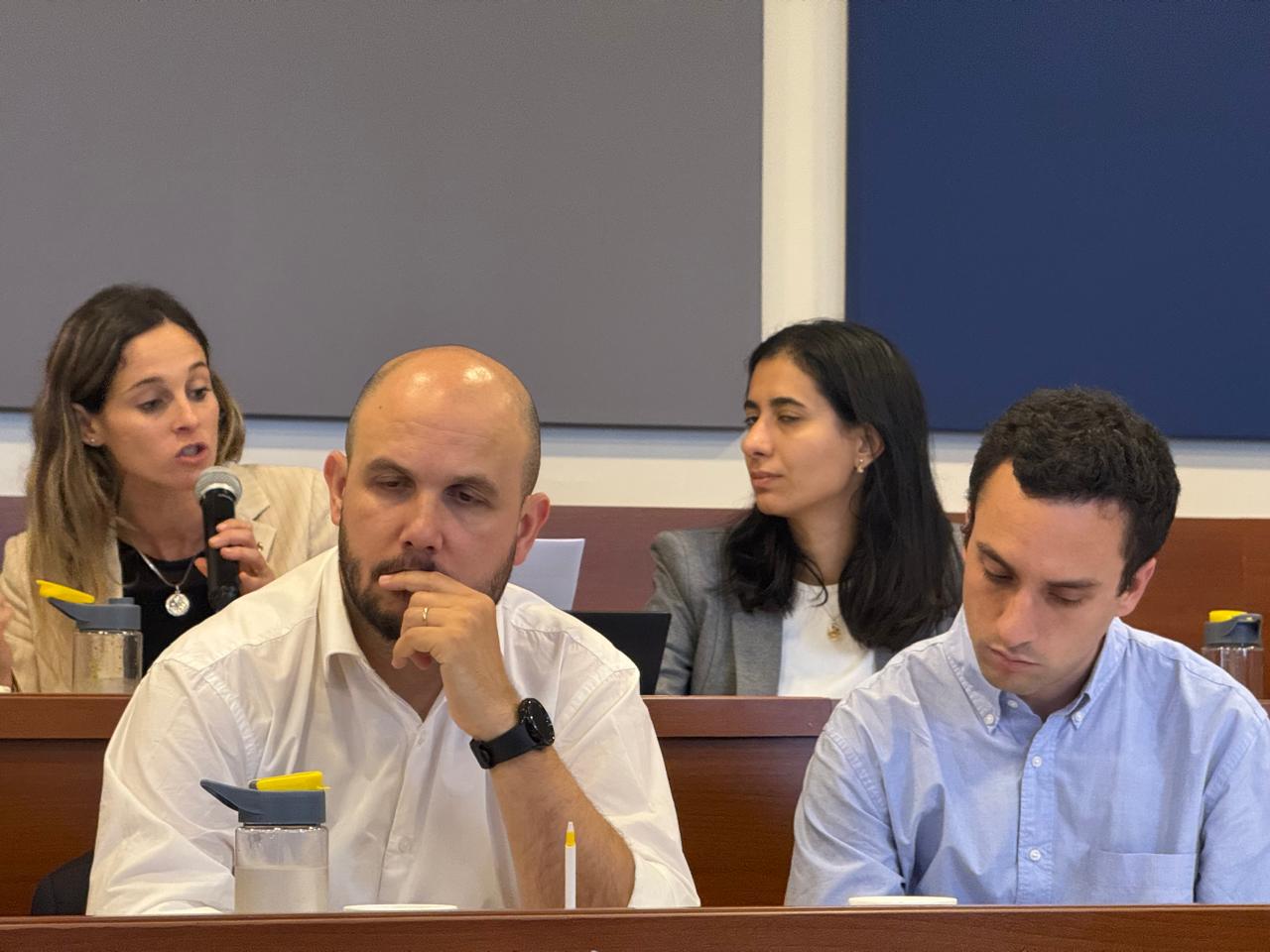
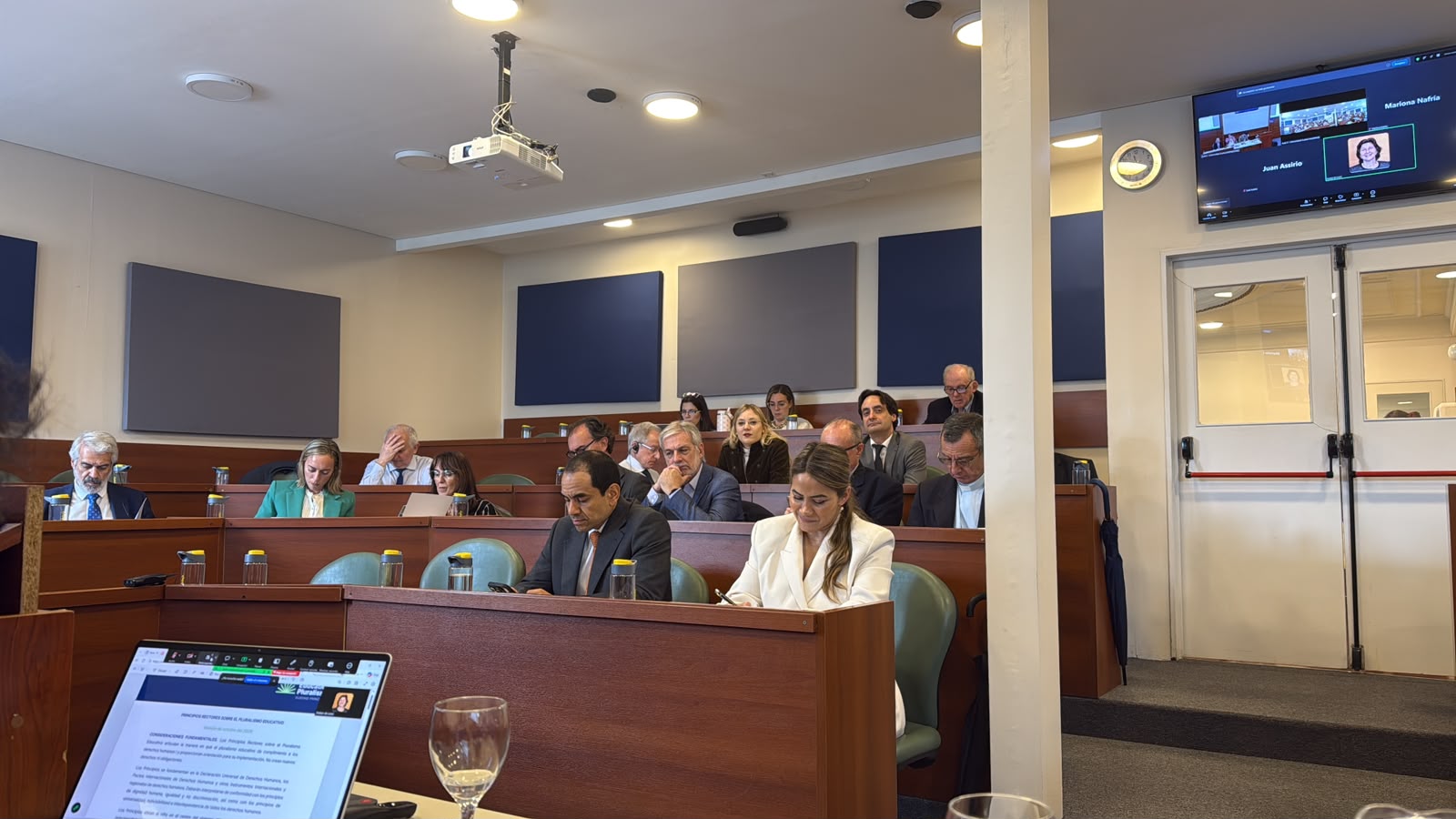
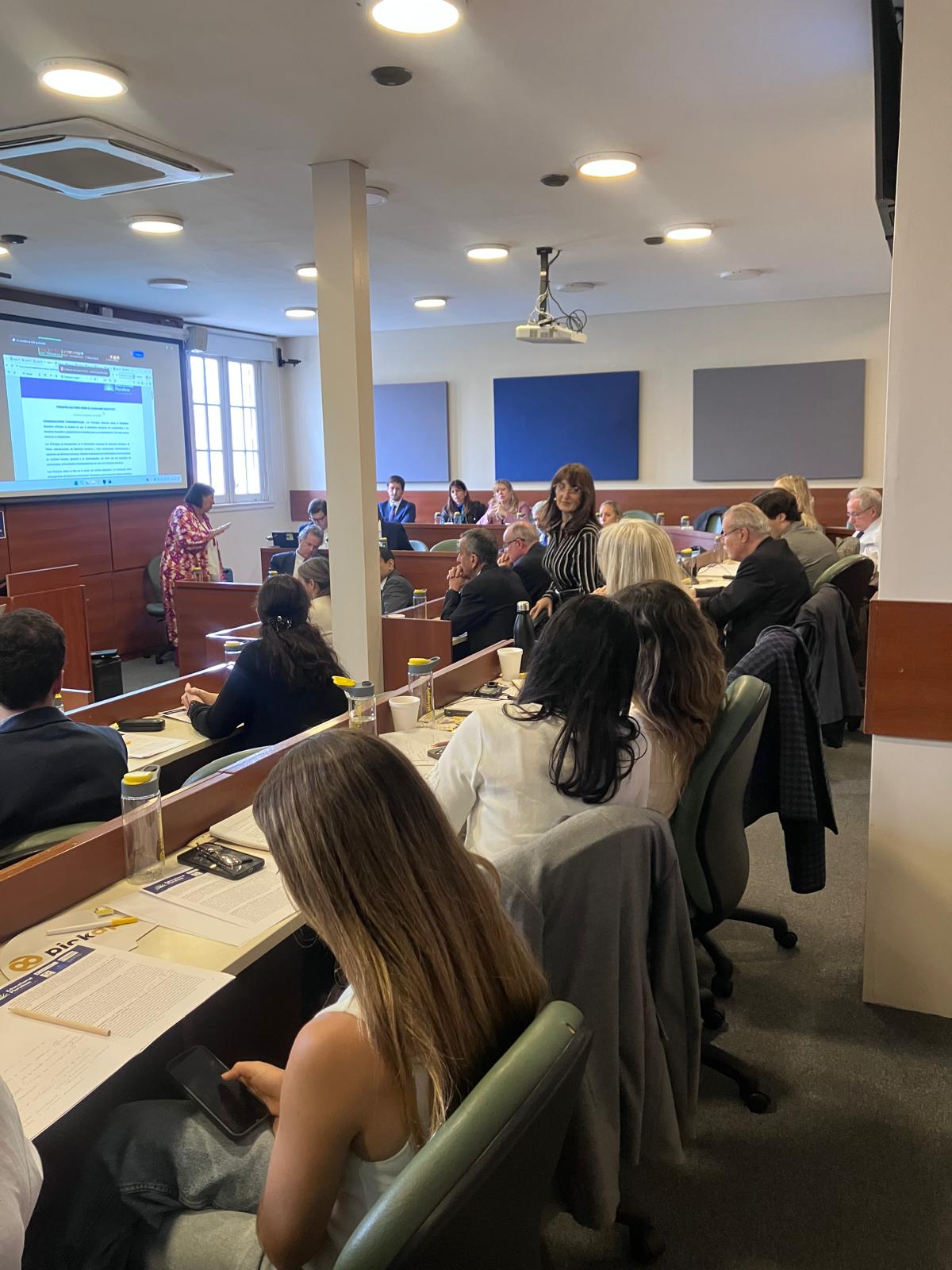
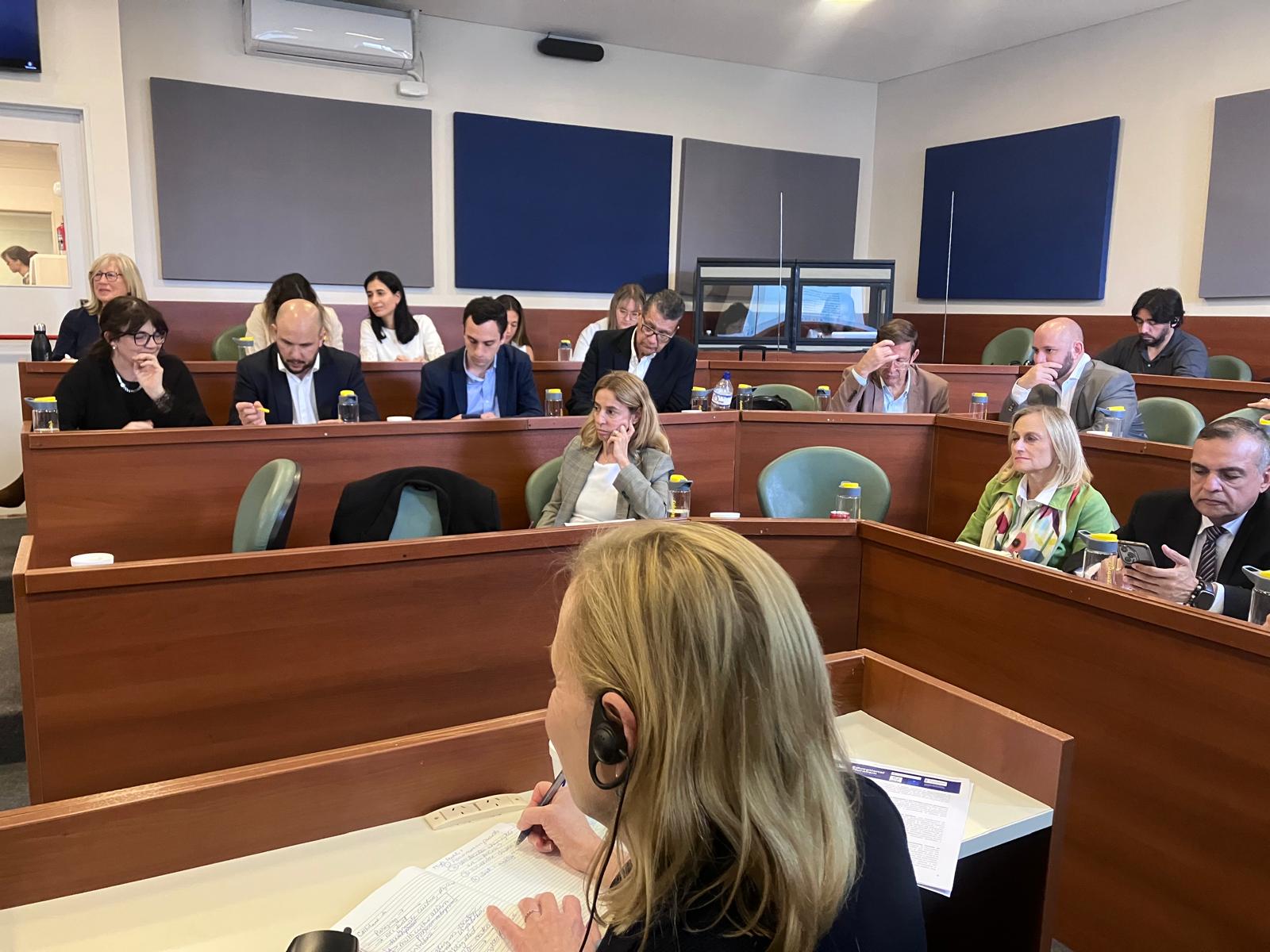
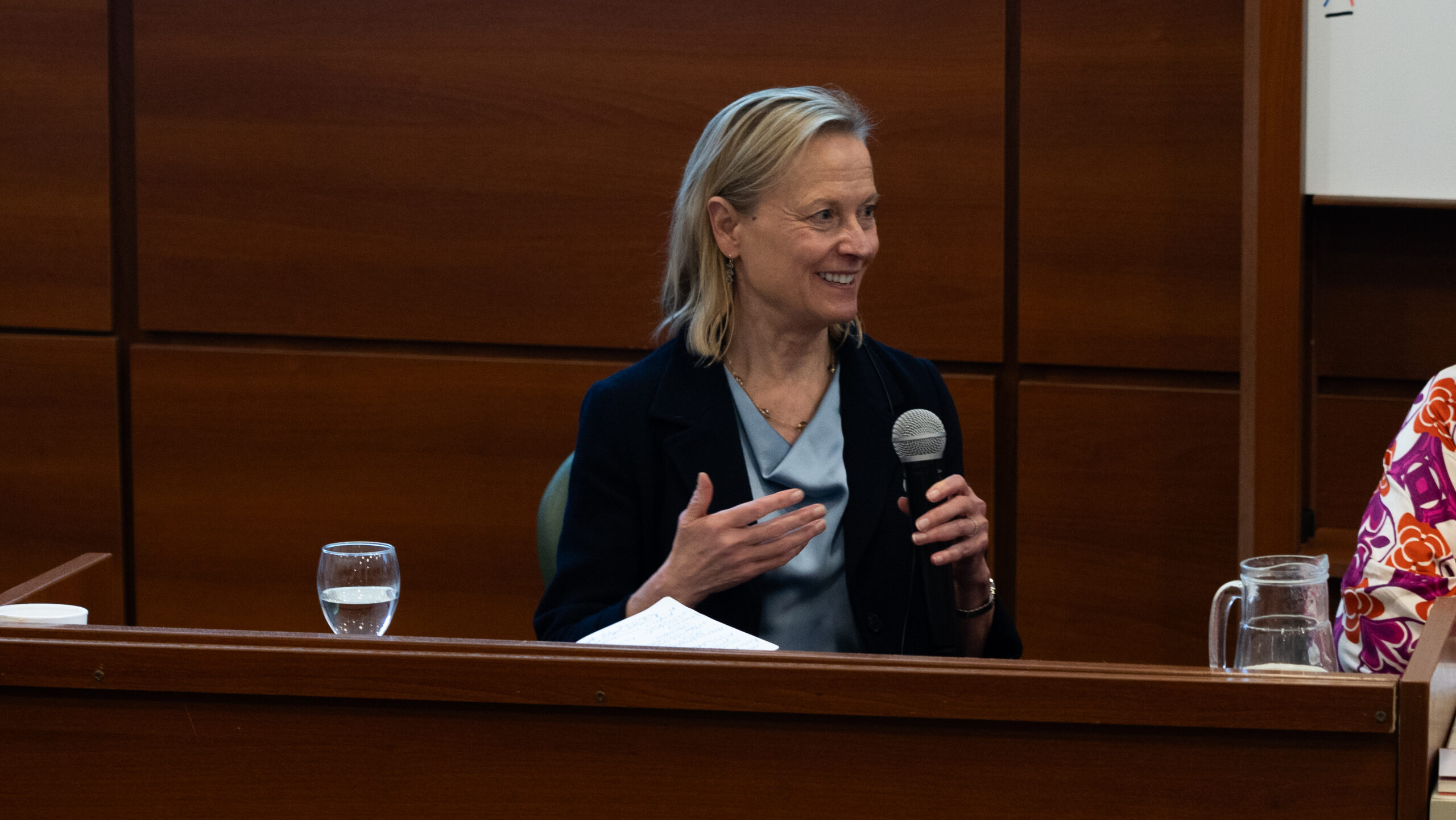
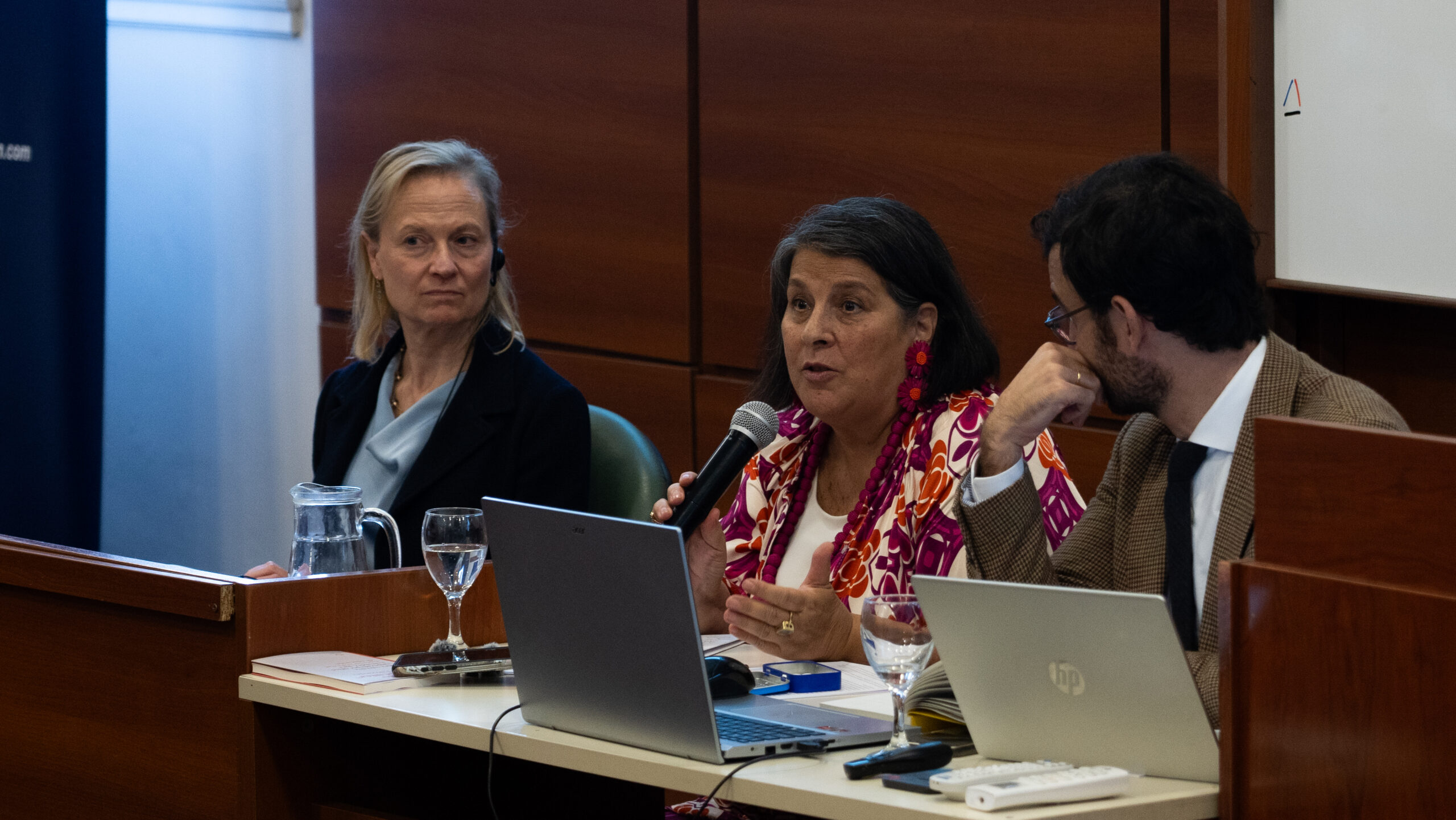
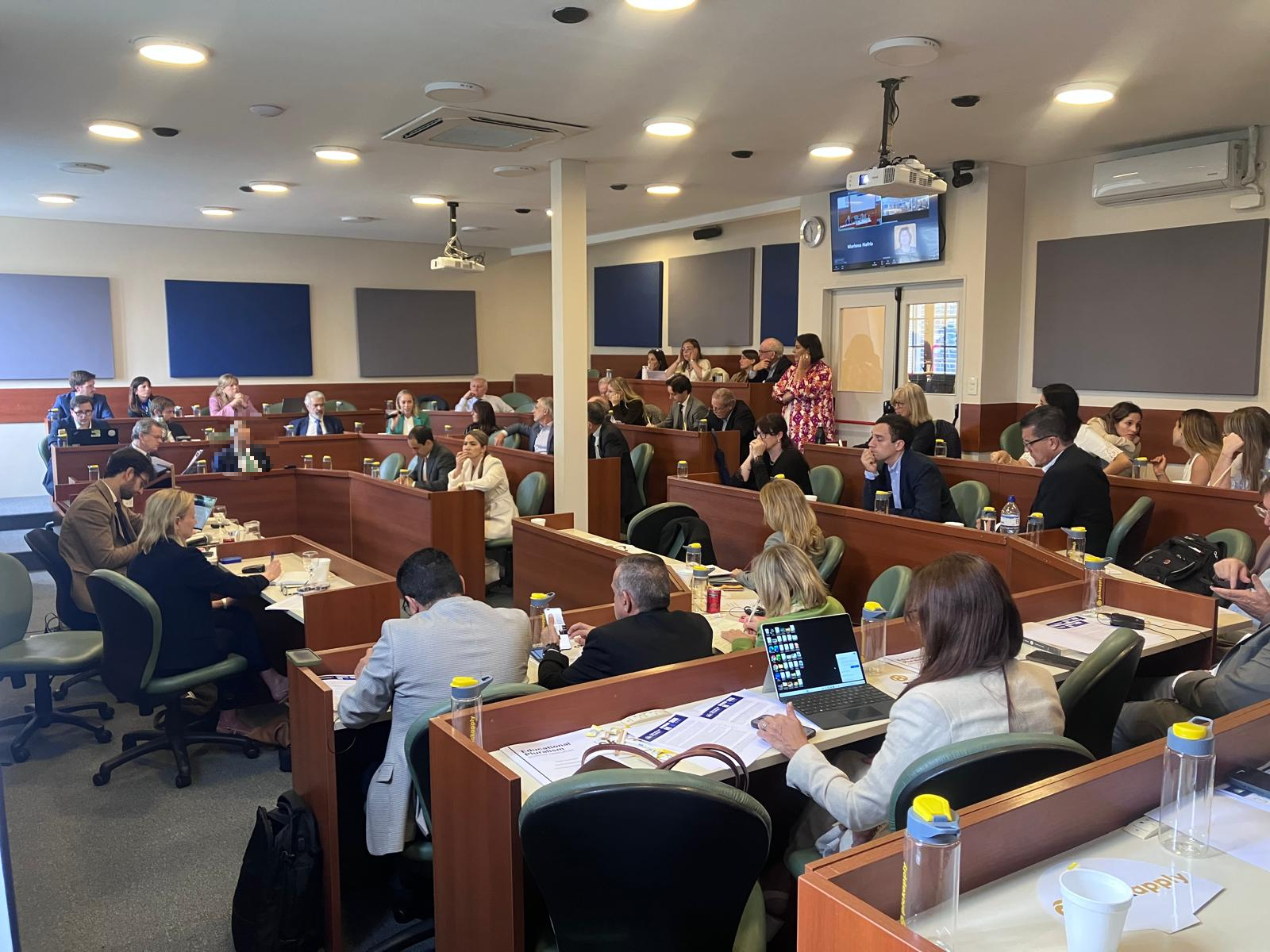
This international initiative seeks to clarify the human rights framework governing education systems in relation to educational pluralism, the right to education as a cultural right, and parental rights.Following discussions of the draft at the United Nations and UNESCO, this was the first of the planned regional consultations, with further consultations to take place in Africa, Asia and Europe.The consultation was held on 3 November in central Buenos Aires and brought together current and former Ministers of Education from Argentina, Chile, Colombia and El Salvador, alongside academics and representatives of civil society, including COORDIEP.
It was particularly interesting to observe certain regional characteristics reflected in a series of recurring points of consensus that shaped the discussions:
a) Families at the centre. Parents bear the primary responsibility for the education of their children.
b) Pluralism as a foundation of democracy.
c) Communities as key actors. Education is a shared responsibility. Families, schools, civil society and institutions must work together to build strong educational communities committed to the common good.
We are living through turbulent times, when words such as security are gaining ground over words such as trust. Last week's consultation was a breath of fresh air. The region's leading experts reminded those of us coordinating this initiative that, when it comes to education, the key is trust. Trust in families and communities.
There is still a year of work ahead before the final text of the Guiding Principles on Educational Pluralism is completed. Nevertheless, we return home encouraged by the realization that this region does not simply want to live, but wants to live in freedom and with respect for differences. And classrooms must be no exception.